Where Winder's Tap Water Comes From
This is the section that matters most for Winder. Almost every guide we publish about North Georgia water sooner or later comes back to Lake Lanier or the Chattahoochee River. Winder is the exception.
Winder tap water comes from Bear Creek and the Middle Oconee River, via the Upper Oconee Basin Water Authority (UOBWA). UOBWA is a regional water authority serving Barrow, Clarke, Jackson, and Oconee counties. The Barrow County Water System - which serves the Winder area in coordination with the city - draws from the same authority and serves 17,893 people.
That different source matters. The Oconee basin has its own watershed pressures - different agricultural footprint, different stormwater inputs, different organic matter profile - than the Chattahoochee. So while the categories of contaminants are similar (mostly disinfection byproducts), the specific levels look different than what EWG reports for Lake Lanier–served cities.
For nearby comparisons in the same Jackson/Barrow corridor, see our guides for Jefferson, Braselton, and Hoschton.
Want better water at home? Tell us what you want to improve. We will recommend the simplest fitting option and send your installed price in writing.
What's in Winder Tap Water (EWG + CCR Data)
EWG's database, drawing on Winder water testing data, identifies several disinfection byproducts above EWG's stricter health-based guidelines.
Disinfection Byproducts (DBPs)
DBPs form when chlorine reacts with naturally occurring organic matter in surface water. Studies have linked long-term DBP exposure to elevated health risks.
- Bromodichloromethane: 7.54 ppb - 126x EWG guideline
- Chloroform: 28.8 ppb - 72x EWG guideline
- Dichloroacetic acid: 13.5 ppb - 67x EWG guideline
Bromodichloromethane is particularly worth noting because it's the most elevated single contaminant in Winder's EWG report - significantly higher than what we see in most Lake Lanier–served cities.
The utility's CCR reports compliance with federal Safe Drinking Water Act standards during the most recent EPA-assessed quarter.
Federal Standards vs Health-Based Guidelines
If Winder water is in federal compliance, why do these contaminants exceed health guidelines?
EWG explains the gap: most federal Maximum Contaminant Levels were set in the early 2000s and haven't been updated to reflect more current research on long-term exposure. EWG's guidelines incorporate that newer science, especially for disinfection byproducts.
Two things can be simultaneously true:
- Winder water meets all federal Safe Drinking Water Act requirements.
- Independent testing identifies multiple contaminants above current health-based recommendations.
Want help choosing between better whole-home taste, less scale where hardness is present, and dedicated drinking water? Start with a clear recommendation and installed price.
Opens a short quote form on this page. A real Honest Water team member reviews it and follows up by phone or email. No in-home sales appointment.
Is Winder Water Hard?
Yes. Winder water is moderately hard, due to natural calcium and magnesium in the Oconee basin source water.
Most Winder-area homeowners notice some or all of these signs:
- White spots and film on dishes and glassware
- "Etched" looking glass after the dishwasher
- Soap that won't lather; "slimy" feel after showering
- Dry skin and dull-feeling hair, especially in winter
- Scale buildup on faucets, showerheads, and toilet bowls
- White crust around water heater fittings
- Reduced water heater efficiency over time
Hard water isn't classified as a health concern, but it shortens the life of plumbing, fixtures, and appliances. A water softener uses ion exchange to reduce hardness minerals.
Taste, Smell, and Local Water Complaints
Winder homeowners report a familiar set of taste and smell complaints, mostly tied to chlorinated surface water from the Oconee basin.
Chlorine taste and smell: Most noticeable in summer when more disinfectant is used. Carbon filtration handles it well.
Earthy or musty taste: Bear Creek and other surface reservoirs experience seasonal algae cycles. Naturally occurring MIB and geosmin can contribute to an earthy or musty taste. They are common in surface water systems and are not considered harmful at typical levels.
"After-rain" variability: Heavy rain in the Oconee watershed can briefly increase organic matter at the intake, which can affect taste even though the treated water still meets federal standards.
What Filtration Options Actually Help
Different filtration systems address different problems. For Winder, here's what tends to help:
Pitcher filters: Reduce chlorine taste. Limited effect on disinfection byproducts. Don't address hard water.
Refrigerator filters: Only treat the water flowing to the fridge.
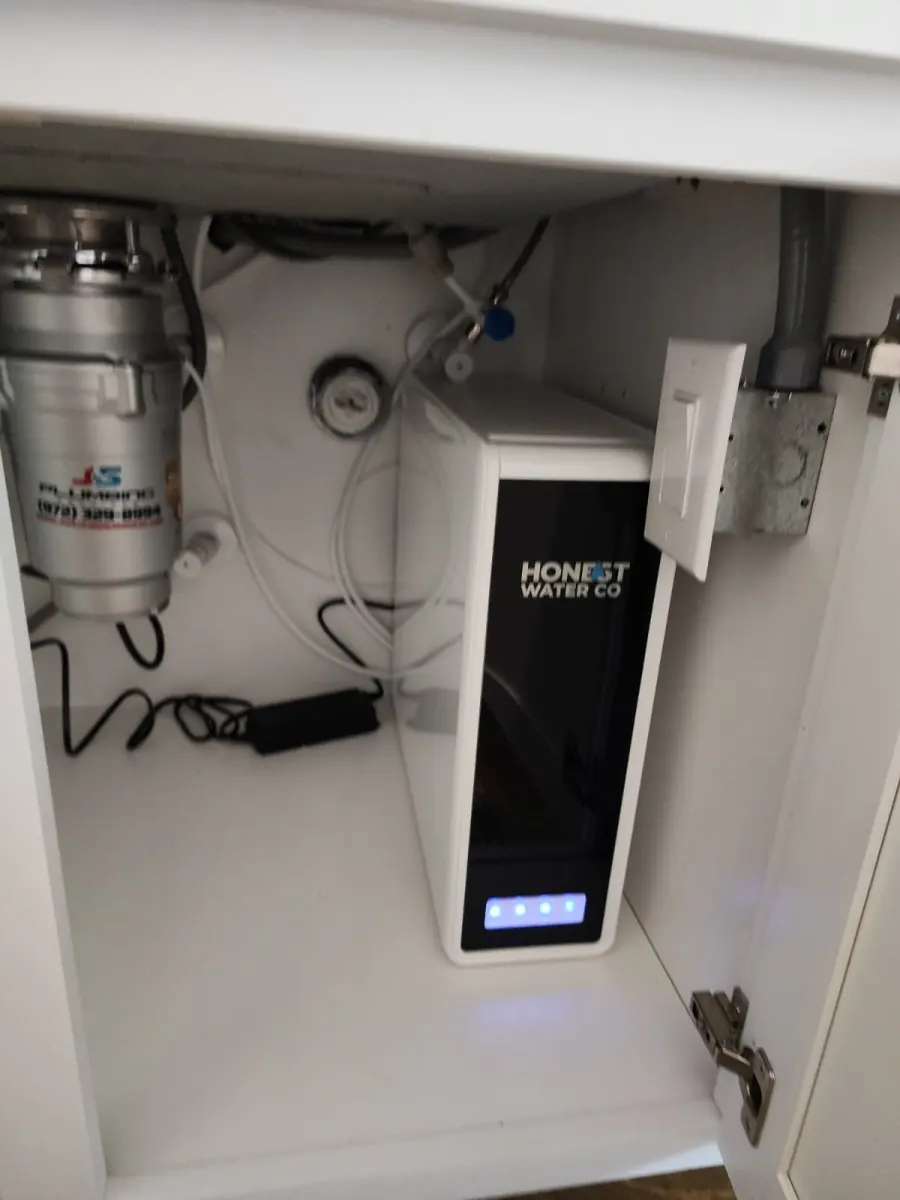
Under-sink reverse osmosis (RO): The most effective option for drinking water. Reduces nearly all of Winder's elevated contaminants - bromodichloromethane, chloroform, dichloroacetic acid, lead, nitrates, and PFAS.
Whole-home carbon filtration: Addresses chlorine, taste, smell, and many DBPs at every faucet and shower.
Water softener: Targets hard water symptoms.
What Honest Water Recommends
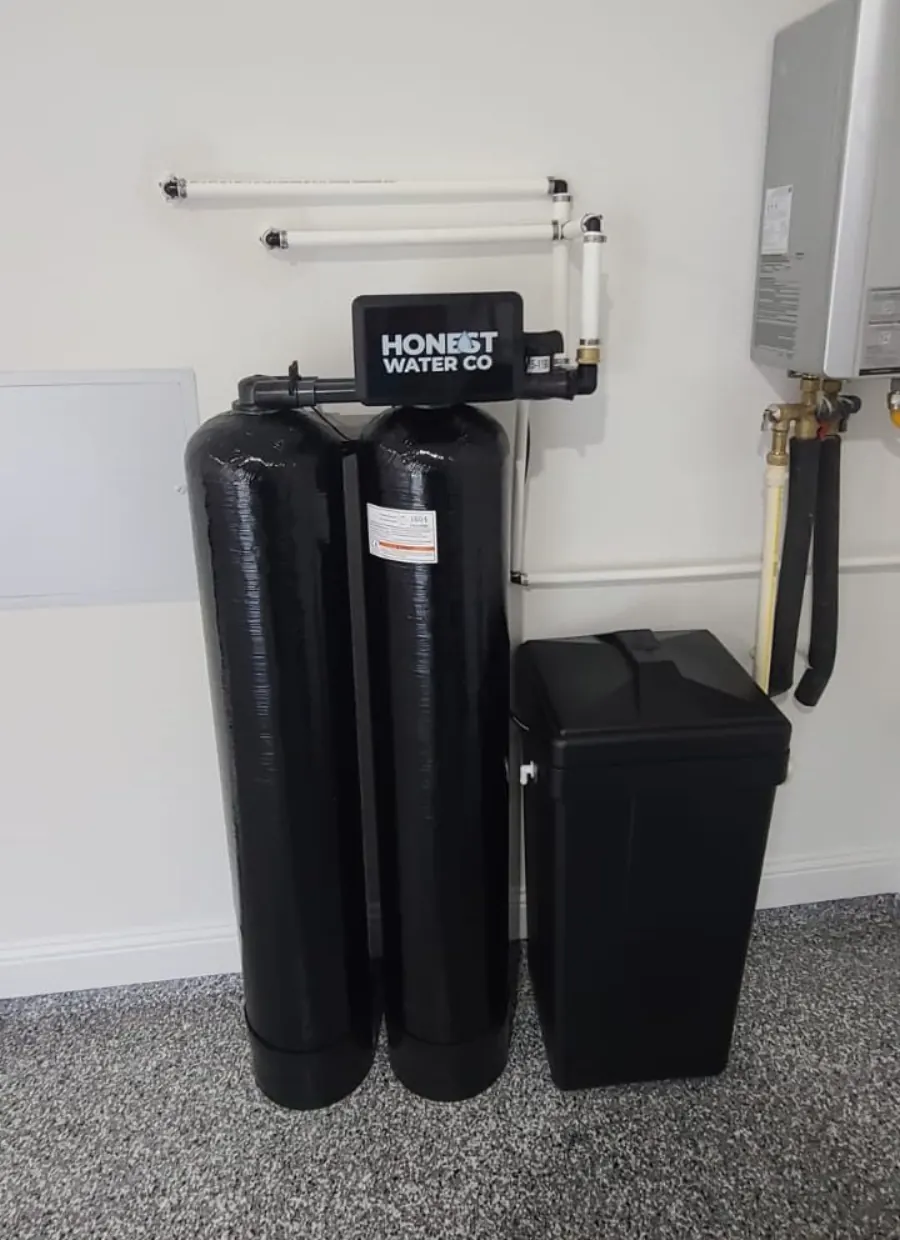
For a typical Winder home - chlorine in summer, elevated DBPs (especially bromodichloromethane), and hard-water scale on fixtures - we generally recommend a whole-home carbon filtration system to handle taste and DBPs at every tap, an under-sink RO for drinking and cooking water, and a water softener if hardness symptoms are present.
Honest Water Of Georgia is a local family-owned business offering water softener and whole-home filtration installation in Winder. Our complete whole-home setup is just $3,492 fully installed.
Request clear installed pricing for whole-home filtration, softening or reverse osmosis in Winder, GA—without an in-home sales pitch.
Opens a short quote form on this page. We send your Winder installed pricing in writing after a quick 15-minute consultation.