Who Treats Lake Lanier Water
Multiple utilities draw drinking water from Lake Lanier and treat it at separate facilities:
- Cumming Utilities - 24 MGD facility on Dahlonega Highway
- Gwinnett County DWR - Shoal Creek Filter Plant and Lanier Filter Plant
- Gainesville Water Resources - serves Hall County
- Buford city water - partial Lanier source
Many addresses in Cumming, Forsyth County, Gwinnett County, Gainesville and Hall County receive Lake Lanier-sourced water. Exceptions and blends exist, so confirm the utility on your bill. Lawrenceville homes, for example, now get a Gwinnett County water bill.
City guides for Lake Lanier-fed homes
Want better water at home? Tell us what you want to improve. We will recommend the simplest fitting option and send your installed price in writing.
Does Lawrenceville's Water Come From Lake Lanier?
Yes. Since December 1, 2020, Lawrenceville's water has been supplied by Gwinnett County Department of Water Resources, which pumps raw water from Lake Lanier and treats it at the Lanier and Shoal Creek filter plants. Before the 2020 sale, the City of Lawrenceville ran its own system and bought about 79% of its water from Gwinnett County, pumping the rest from city wells (per the city's 2015 water quality report).
Practically, that means most Lawrenceville homes experience classic Lanier-water characteristics - chlorine/chloramine taste, disinfection byproducts in EWG testing, and the earthy fall-turnover flavor. The same Gwinnett County treated water also serves Suwanee, Dacula, Buford, Duluth, and most of the rest of the county. For a street-level look at Lawrenceville specifically, see our Lawrenceville tap water guide.
What's in Lake Lanier Source Water
Lake Lanier is a surface water reservoir, which means its water characteristics shift with the seasons. The lake experiences seasonal turnover - typically in fall - where deeper, colder water mixes with surface water. This is when many homeowners notice changes in taste and smell.
The most commonly reported source-water characteristics:
MIB (2-methylisoborneol): A naturally occurring compound produced by algae and bacteria. Creates earthy/musty taste and smell. Not considered harmful but very noticeable.
Geosmin: Similar to MIB. Same earthy taste profile. Both compounds are common in surface water reservoirs across the country.
Organic matter: Naturally occurring carbon from plants, leaves, and runoff. Not directly harmful but reacts with chlorine during treatment to create disinfection byproducts.
Local utilities have addressed the taste/odor issue publicly. Gainesville Water Resources has been evaluating ultrasonic algae-control technology in Lake Lanier specifically to address taste and odor.
What Happens During Treatment
Lake Lanier water is treated with chlorine or chloramine to kill bacteria and pathogens. This is necessary - untreated surface water can carry serious health risks. But chlorine reacts with the organic matter naturally present in lake water to form disinfection byproducts (DBPs).
The most common DBPs in Lake Lanier-fed water:
- Total trihalomethanes (TTHMs)
- Haloacetic acids (HAA5 and HAA9)
- Chloroform
- Bromodichloromethane
- Dichloroacetic acid
These are commonly found above EWG health guidelines in utilities that draw from Lake Lanier, including Cumming, Gwinnett County DWR, Buford, and Gainesville.
EWG explains: disinfection is necessary to prevent bacterial illness, but byproducts are one reason many homeowners choose carbon filtration or reverse osmosis.
Want help choosing between better whole-home taste, less scale where hardness is present, and dedicated drinking water? Start with a clear recommendation and installed price.
Opens a short quote form on this page. A real Honest Water team member reviews it and follows up by phone or email. No in-home sales appointment.
What Homeowners Often Notice
- Earthy or musty taste, especially in fall
- Chlorine taste or smell, especially in summer when more disinfectant is used
- Hard water symptoms (scale buildup, cloudy dishes, dry skin sensations)
- Different taste between cities served by different treatment plants - even though source water is the same, treatment differences create different finished water characteristics
What Filtration Options Help
Carbon filtration: Reduces chlorine, chloramine, taste, smell, MIB, geosmin, and many disinfection byproducts. Often the most cost-effective option for taste/smell complaints in Lanier-fed homes.
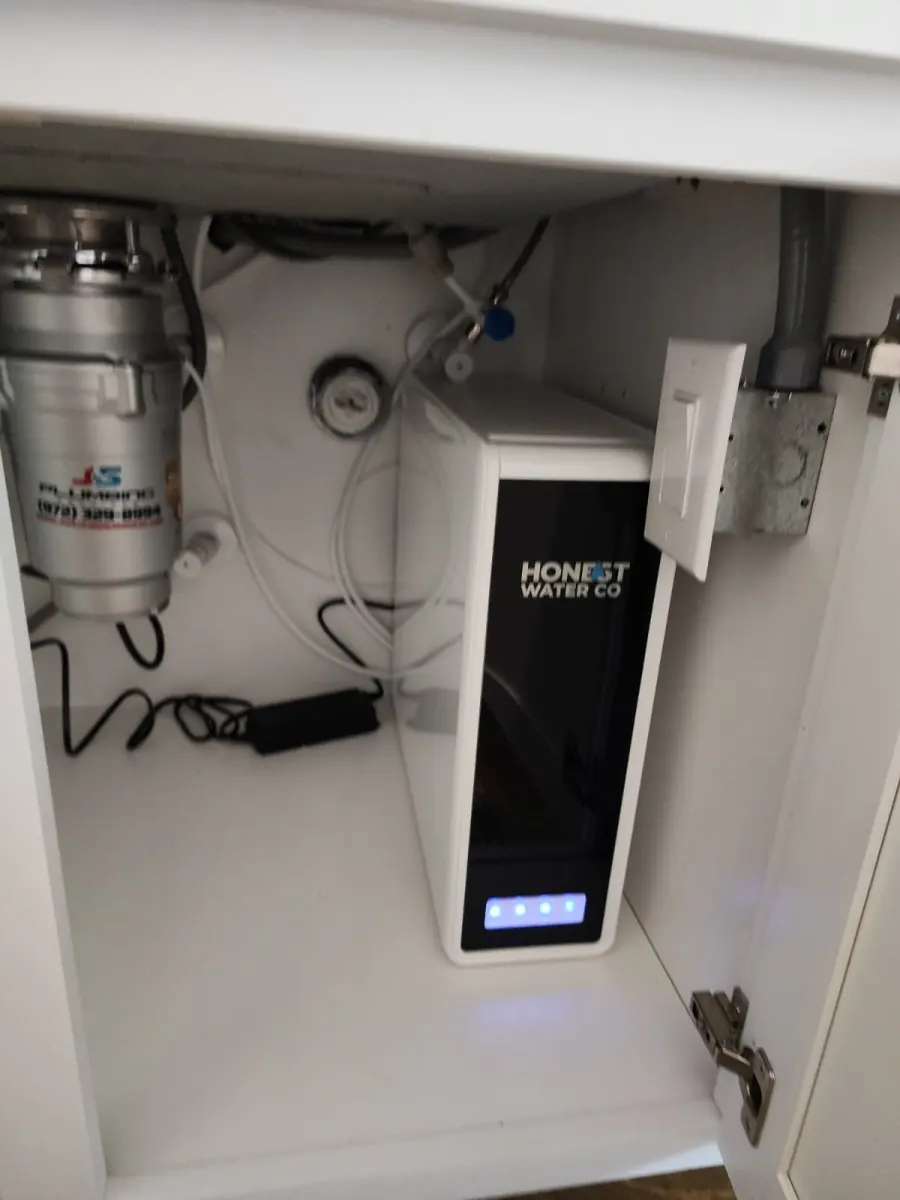
Reverse osmosis: Removes the broadest range of contaminants for drinking water specifically. Best for under-sink installations.
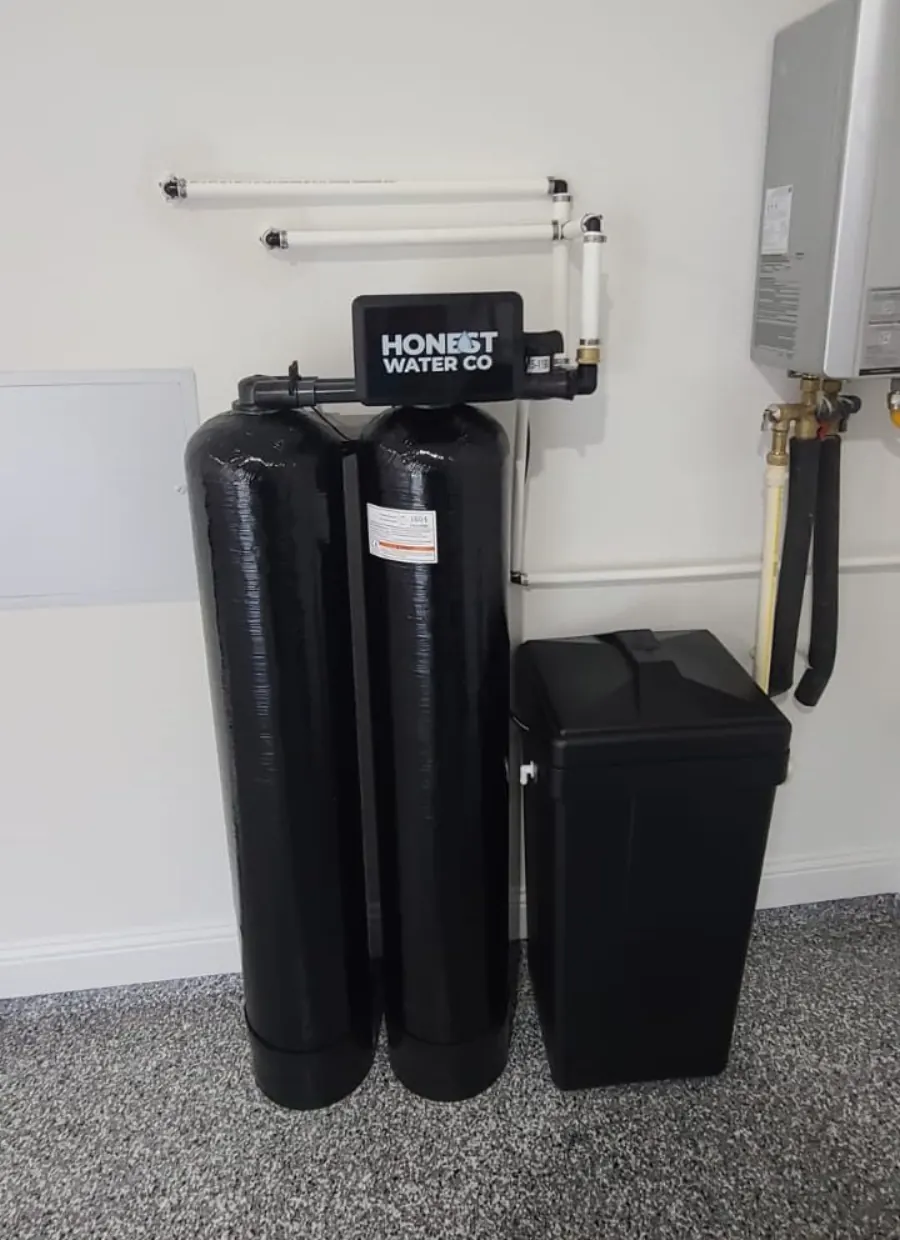
Whole-home filtration: Protects every faucet in the home, every shower, every appliance. The comprehensive option for Lanier-sourced homes.
For the broader regional context, see our North Georgia Water Quality Guide.
What Honest Water Recommends
For most Lake Lanier-fed homes, we recommend a combination approach: whole-home carbon filtration for taste, smell, and DBP reduction at every tap, plus reverse osmosis under the kitchen sink for drinking water. A softener is added if hard water symptoms are present.
Our complete whole-home setup is just $3,492 fully installed. We're a local family-owned Georgia business that doesn't do high-pressure sales.
Not sure whether you need a softener, carbon filter, reverse osmosis system, or full whole-home setup? We'll help you choose the simplest system that fits your home.
Opens a short quote form on this page. We reply with a system recommendation and upfront installed pricing. No obligation.